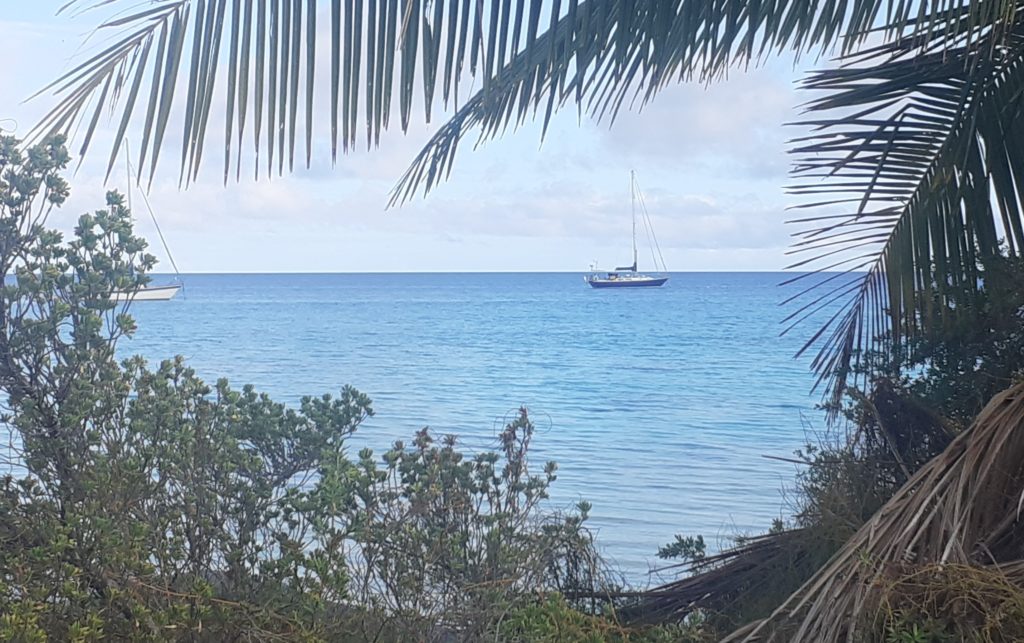
Knockdown & lockdown

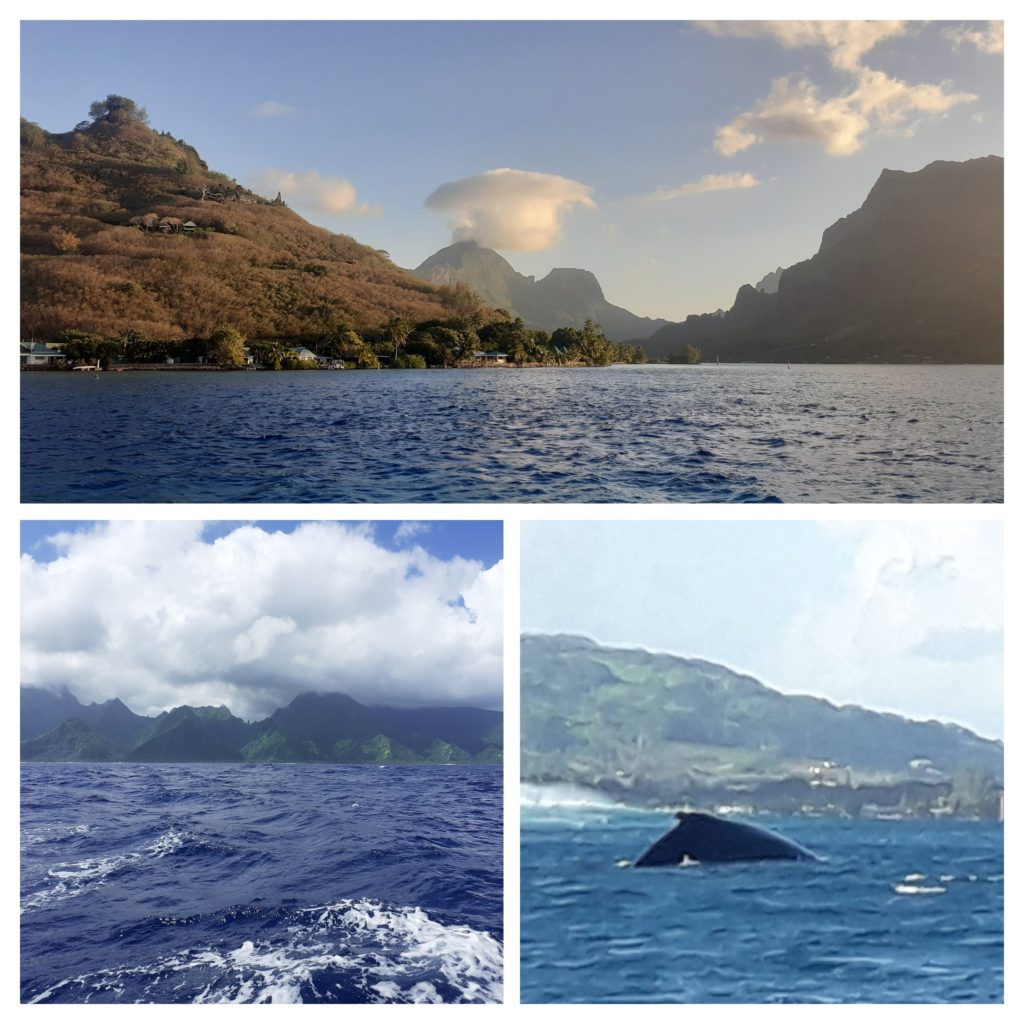
With Covid booming in Tahiti and Moorea, the boat full of supplies and cycling, walking and snorkeling all done – it was time to head west to Maupiti and avoid the much rumored lockdown.

The weather forecast was good. And stupidly, even after 30 months of lies, we still believe the weather forecast and so expected a quick relaxed sail with the wind on the beam. We even left late to avoid being at the pass in Maupiti too early. Our neighbours on Mikado left with the same plan. At least we aren’t the only optimists.

The first hours everything ran according to plan. The wind blew constantly from the North and Artemis ran as if on rails heading straight for the southern tip of Raiatea. This lasted about ten hours and then the wind turned to the east, settling down blowing directly from our destination. We could tack badly to starboard or port. But at least we had wind.
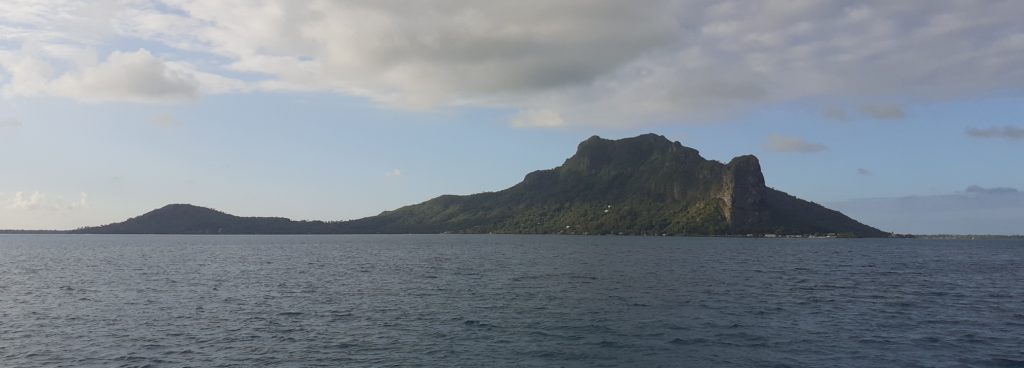
Approaching Maupiti

And then the wind became fluky and varied between little and nothing. Happy memories of our Pacific crossing as we changed tack and sail throughout the night. Sailing is definitely a sport.

At dawn we accepted that we were not going to reach Maupiti and considered diverting to Raiatea but decided to continue and spend another night at sea. As soon as we had found our peace with the lack of wind, the breeze increased and soon we were back on our way dodging the occasional squalls. Well, most of them!

We had the first reef in the main and the full genoa out when a squall backwinded us. Before we fully realised what was happening, Artemis was lieing on her side. She turned in to the wind and came up again but not before the water out of the bilge had covered the engine and landed in the galley. Water everywhere and two confused people trying to work out where it came from.

We put the boat back on track and cleaned up and then returned to enjoying the sail. It was, however, not long until the next huge squall appeared ahead of us. The radar measured this one at 12 miles long but suggested we would just graze it. Things were going well and then suddenly we were sucked in. With the wind rising, a line jammed round a cleat at the bow and stopped us rolling the headsail away. Harness and safety line on and Heidi made her way to the bucking bow to clear the line so that we could reduce sail. She returned just as the downpour started. Neill got soaked at the tiller and Heidi used the radar to measure the distance to the end of the squall and offer encouragement.

Once out of the storm, things calmed down, the ocean turned deep blue, the waves dropped, the sun came out and the wind accelerated Artemis to five knots in exactly the correct direction. To complete the picture of perfect Pacific sailing, the green island of Maupiti rose out of the waters directly ahead and we were set to enter the pass before dark.
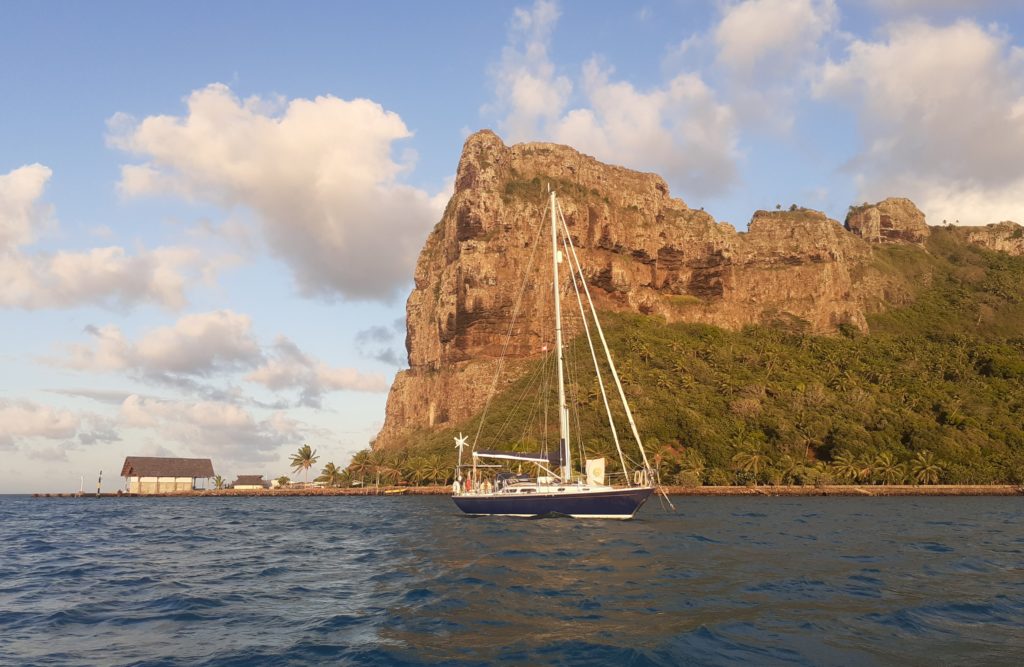
Safely at anchor inside the reef at Maupiti

But sailing wouldn’t be sailing if everything remained perfect and, of course, the wind turned with the reef still four miles away. We could tack but would run out of daylight so reached for the motor starter. Not surprisingly the diesel didn’t start immediately. Lieing an engine on its side and throwing water over it is never going to be helpful. Without an engine, it was impossible to enter the pass straight in to the wind and against the current and Plan B was already being formulated as the engine stuttered to life.

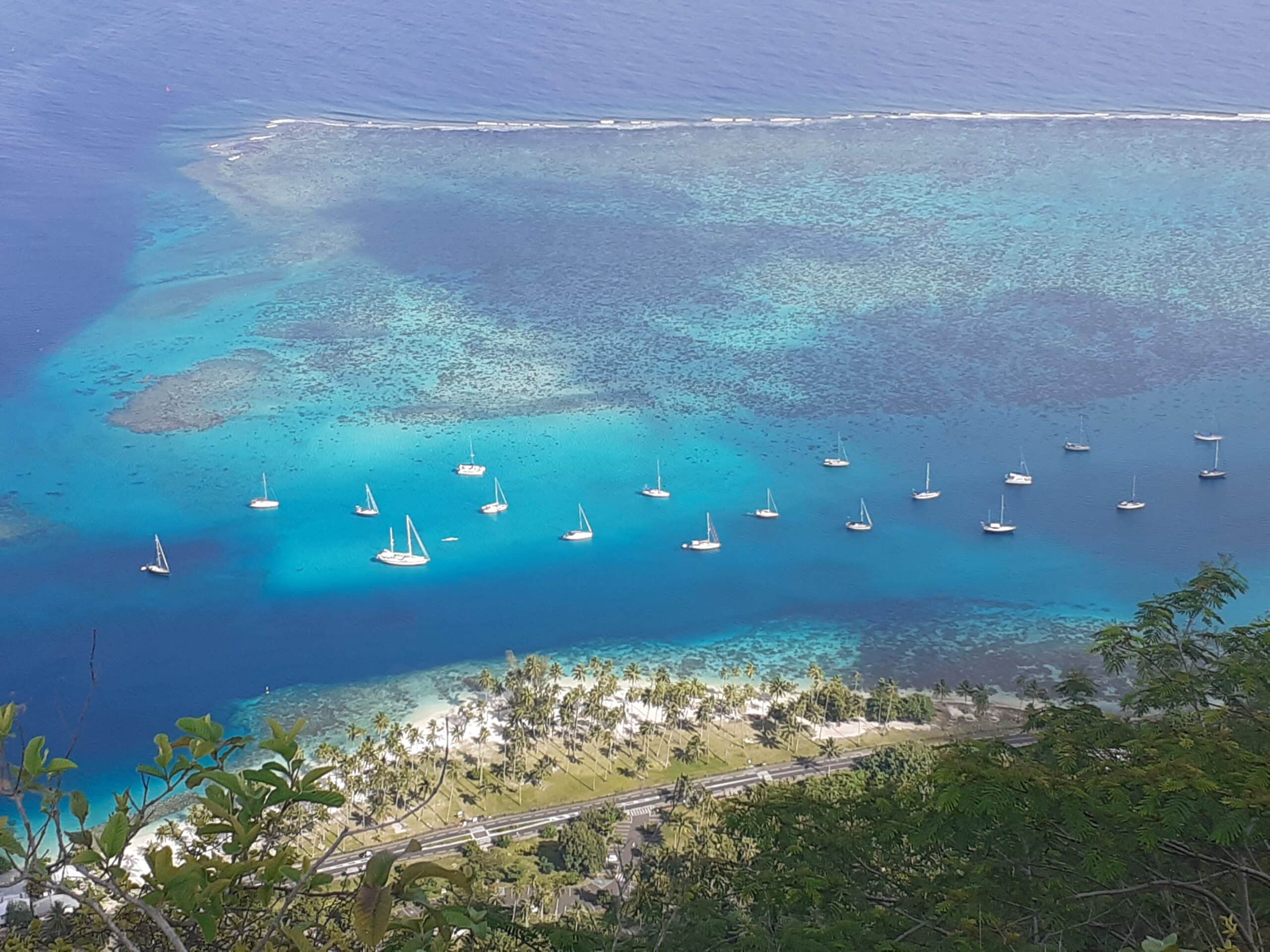
Through the pass, with huge breakers to each side and against the outflowing current, we reached the lagoon and dropped anchor behind the reef and before the backdrop of a stunning pacific dream island. Maupiti!
Climbing Mount Rotui

A few days ago we awoke to find the famous adventurers from the Austrian sailing yacht Nomad anchored next to us. They had spent the night fighting their way upwind and had arrived in Moorea at first light. Heidi and Wolf were soon yodelling greetings across the water and shortly thereafter they came across in the dinghy to tell us of their plan to scale the 899 meter high Mont Rotui above the anchorage. Of course we were going too!

Two mornings later, at five in the morning, there were six of us at the dinghy dock – the crew of Bella were also looking forward to an invigorating hill walk.

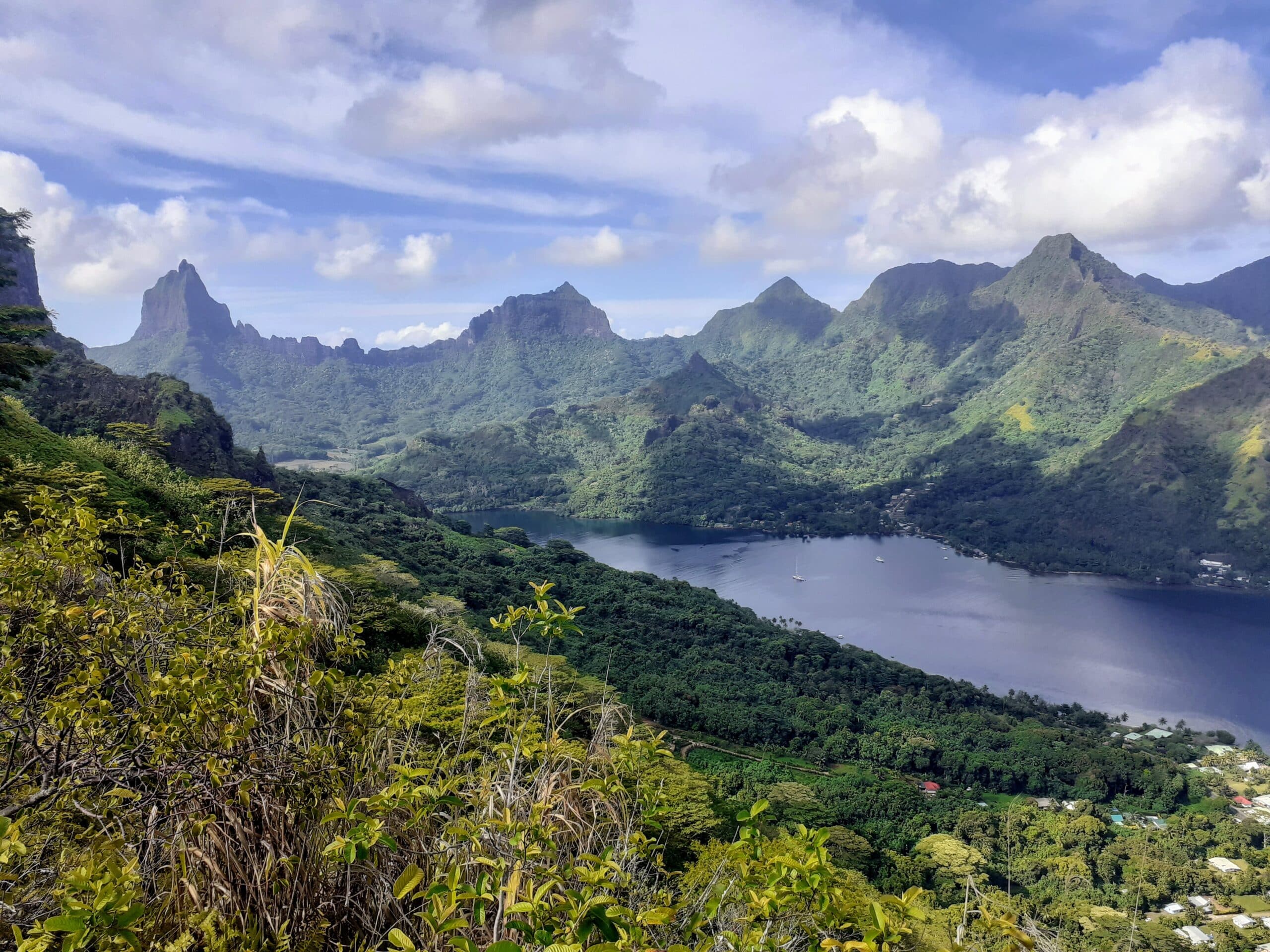
As soon as we turned off the road we realised why the guides describe the route as difficult. It follows the ridge and is a very thin path around and across the basalt mountain. Strenuous and requiring uninterrupted concentration. But when you stopped to look at the views, they were amazing! Mountains, bays, reefs and the Pacific!

We passed a “viewpoint” at about 400 meters and the path got thinner, rougher and slippier. At about 550 meters, after two and a half hours and about half way, we split in to a summit team of Bavarian and Austrian Alpinists and the “rest of the world team” who set off back down. Getting back down took just as long as the climb up and on the way Matthias’ boots began to fall apart. The sea air had obviously eaten the glue and, by the time we were back at the dinghy, the soles were only just attached to the shoes.

Mountains. Cheaper than a drone.

The “mountaineers” reported that, the path had continued to become more challenging and that they reached the summit after over four hours of climbing. But all three agreed that the views were worth the nine hour round trip.

Our track is at AllTrails.

Whales watching humans watching whales

Through a series of lucky coincidences, a group of us ended up on the catamaran Sybo for a whale watching trip. We had the french “whale spotter” on the roof, the German “video man” and a collection of “swimmers” from three nations.

Our whale spotter found a male, a female and a calf just outside the reef and immediate excitement broke out. Heidi was left looking after children and Neill at the helm. We watched swimmers and whales only a hundred meters from the boat and enjoyed the stories of their close encounter when they returned.

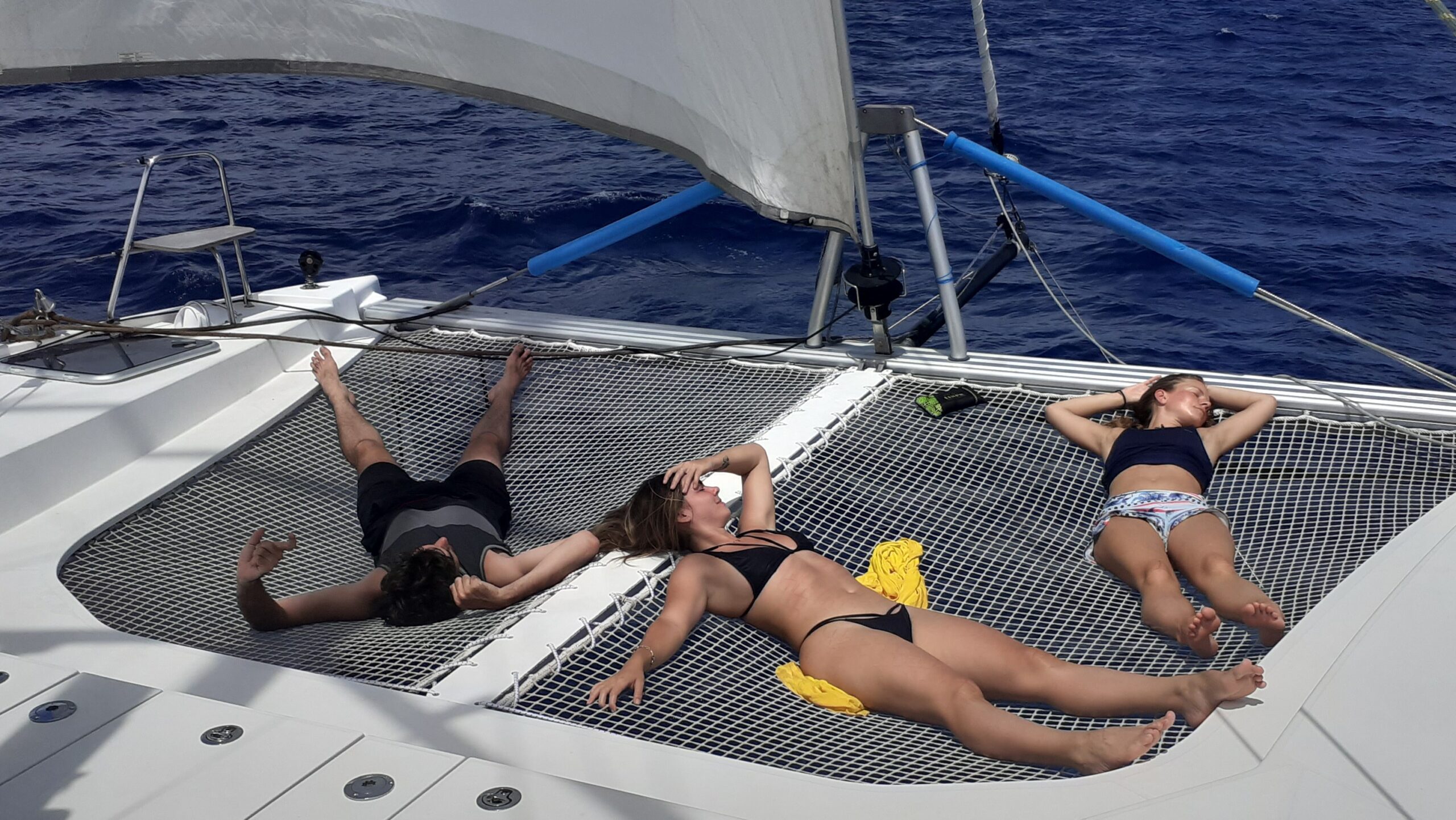
Tired whale watchers

The next day the “Sybos” and we decided to take a second look. We sailed down the reef in Artemis and after a few tacks had only seen whales at a distance. As soon as we had a coffee in the hand, a mother and calf surfaced next to us. The sail was down in seconds and Heidi, Sybille and Bo were in the water immediately.

The calf was nosy and came to look at the strange little creatures – he was only five meters long. The mother was below but also surfaced directly between the swimmers. Neill could hear Heidi’s laughter from the boat. Some one was obviously having fun.

After about an hour the whales had seen enough human and vice versa so went their separate ways. Back on Artemis there were some extremely excited whale watchers and it was good we needed two hours to sail back to the bay so they could recover their composure.

Exploring Moorea

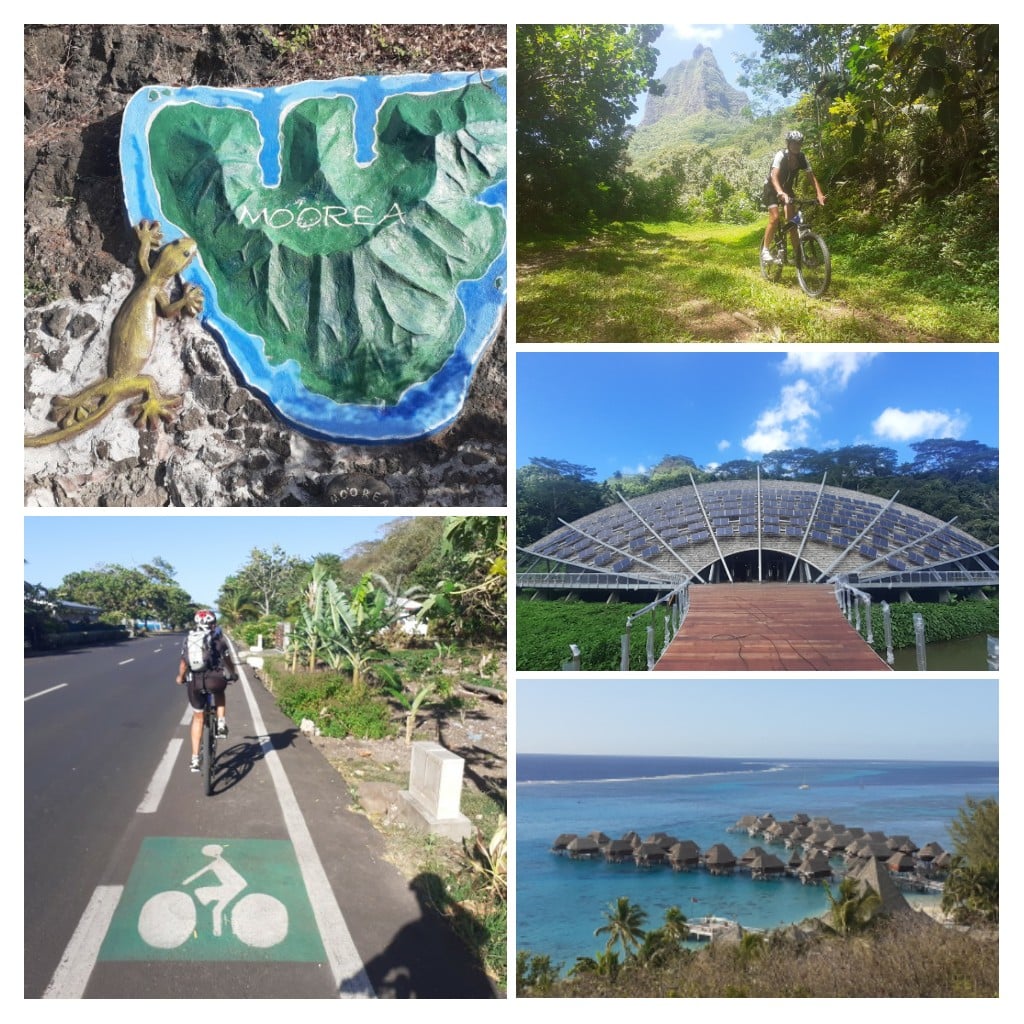
Bo – a friend from the catamaran Sybo – suggested a bike ride on Moorea so at six in the morning the three of us were on land with our bikes assembled, kitted up and fully motivated.

The island of Moorea has a road all the way round the edge. A nice flat road with a good tarmac surface and, most of the way a bike lane. It is 60 kilometers so on a sunny morning you are finished before it gets warm.

Boring!

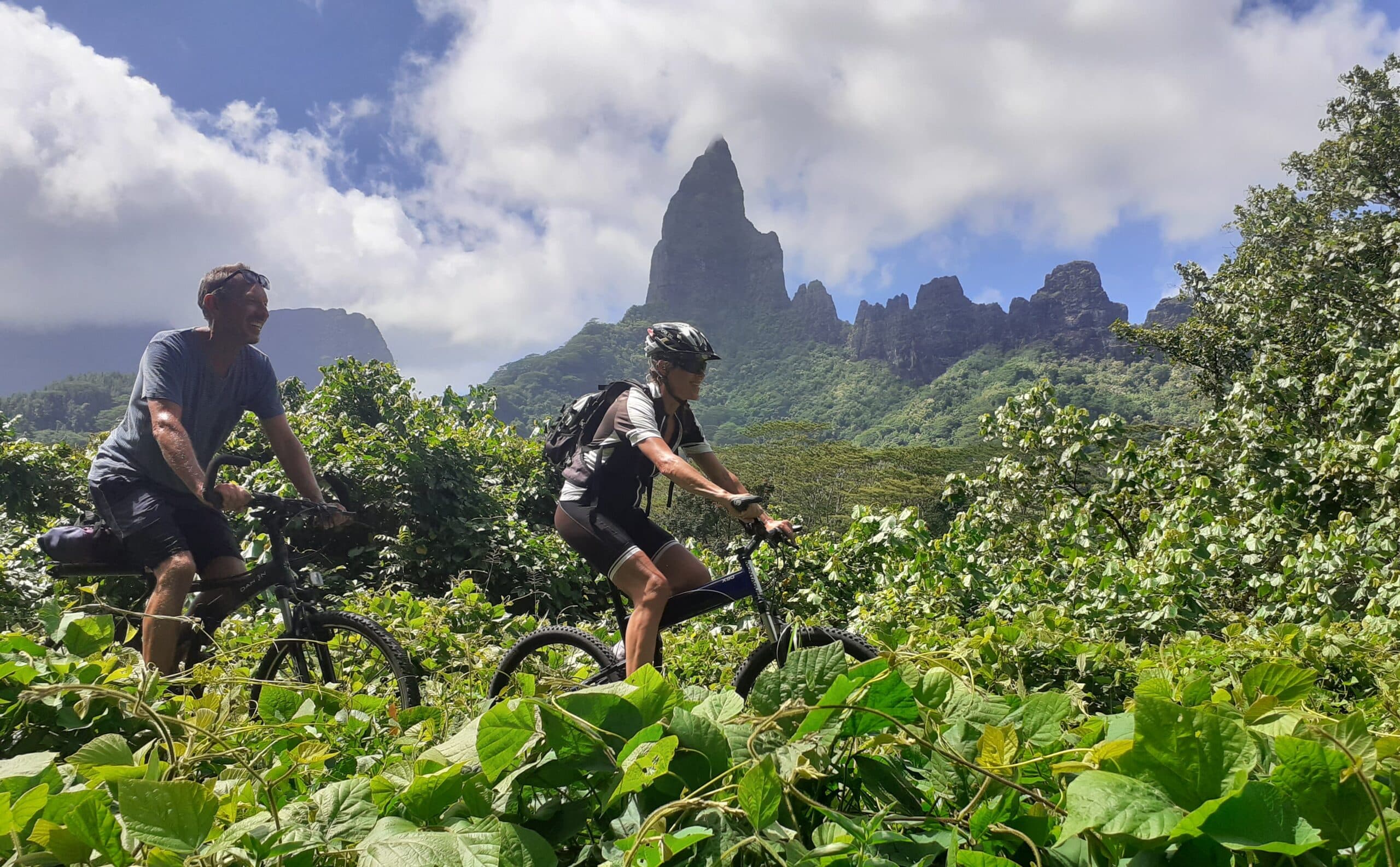
Moorea also has a mountain bike trail. A lot of off road track and some steep, slippery, root covered, stony trails. Every kilometer there is a stony stream to cross and most of the time you are heading up or back down. The entire route is through plantations and jungle so there is a lot of different greens and no breeze.

That sounds more like us.

By starting with the “once round the island tour” to warm up, we ensured that we reached the mountain bike trail with the sun high in the sky so that the sweat was pouring off us. It was still great fun and took us far off the tourist track.

We finished by cycling up to the Belvedere viewpoint which, at 270 meters above sea level, is the highest point you can cycle to on the island. From there it was all downhill back to the boat.

Our route is at AllTrails

Trekking Moorea

Moorea is stunningly beautiful. You have the verdant mountains of the Marquesas but the protective reefs of the Tuamotus. And shops and Internet. Definitely paradise.

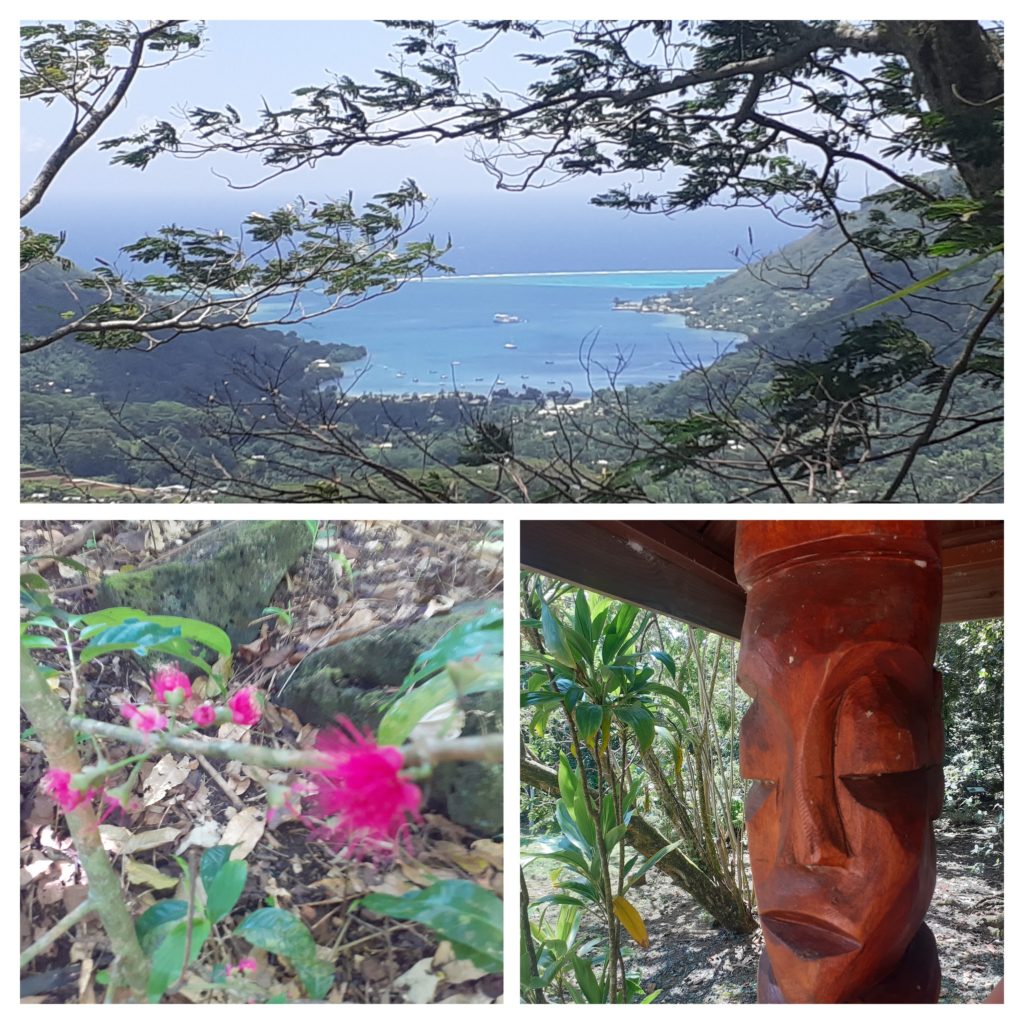
From the boat we can enjoy the view up in to the mountains but yesterday we joined Sybille and Bo for a trek up to the three pines viewpoint. Luckily our guides had already been there so we just followed in the steps of Sybo Tours (would have 5 stars in TripAdvisor if they were in there).

At a little above three hundred meters we reached the viewpoint and were rewarded with a panoramic view not only of Cook’s Bay but also of Opunohu Bay and the peak of Mount Rotui between them.

We continued on over the ridge and down in to the Opunohu valley where we passed traces of houses, store sheds and temples dating back to the fifteenth century, a reminder of how populated Polynesia was before the Europeans arrived.

Back at the dinghy Sybo treated us to drinks and ice cream. If they start taking paying guests, their success is guaranteed.

Sailing the Societies

Last week we cycled across Tahiti so this week we sailed round the island to get a better look at the “lonely bits”.

The first day we had little wind and what there was was against us. We drifted and tacked but after seven hours finally had to use the motor. We planned on anchoring just behind the reef which meant entering through the pass at Maraa. As we approached all we could see were huge waves and no sign of an opening. We were both relieved when a local fishing boat appeared and passed easily between the waves showing us the way in. That night we anchored off the village.

The second day there was more than enough wind but in exactly the wrong direction. Another day of tacking. One tack was a little earlier than planned when a huge whale appeared broaching right in front of us. More amazing views of jungle coated mountains and another pass to enter in the evening. This time there were even surfers running the waves left and right of us. We anchored in the protected anchorage of Port Phaeton.

Day three was going to be cycling but the rain proved that we are good at “situative” and instead we walked across the isthmus so that we could add “walked across Tahiti” to “cycled across” and “sailed round”. The rainy afternoon was a great excuse to laze around.

From Port Phaeton we stayed inside the reef for a few miles before sailing back out to sea and continuing upwind. We left the inhabited part of the island behind us and enjoyed spectacular views up deep green valleys towards the high mountains. We are now experts at tacking upwind but, even with our experience, we arrived at the next pass just before dark and decided it was too dangerous. Instead we rounded the head of the island and enjoyed a night sail back to Point Venus where, at one thirty, we dropped anchor.

Three days upwind and seven hours back! You know why sailors prefer a following wind.

Back in Papeete we anchored next to our friends on the catamaran Sybo and the following morning sailed to Moorea having swapped crews. Bo joined Neill on Artemis while Heidi moved to the all girls team with Sybille on Sybo. Bo enjoyed happy memories of monohulls while Heidi had her first taste of catamaran sailing. We had winds of over twenty knots from behind and flew the twenty miles to Moorea where we anchored just inside the reef.

Tahiti

When you dream of sailing the world, Tahiti is one of the places you dream of arriving. In normal times. During the Covid pandemic, it is less inviting; the infection rate is high and you have to wear masks – something we had avoided living in the wilderness.

But we have bought an appartment in Allgäu and needed the German consul to witness our signatures. He lives in Papeete so we sailed the two days downwind to see him.

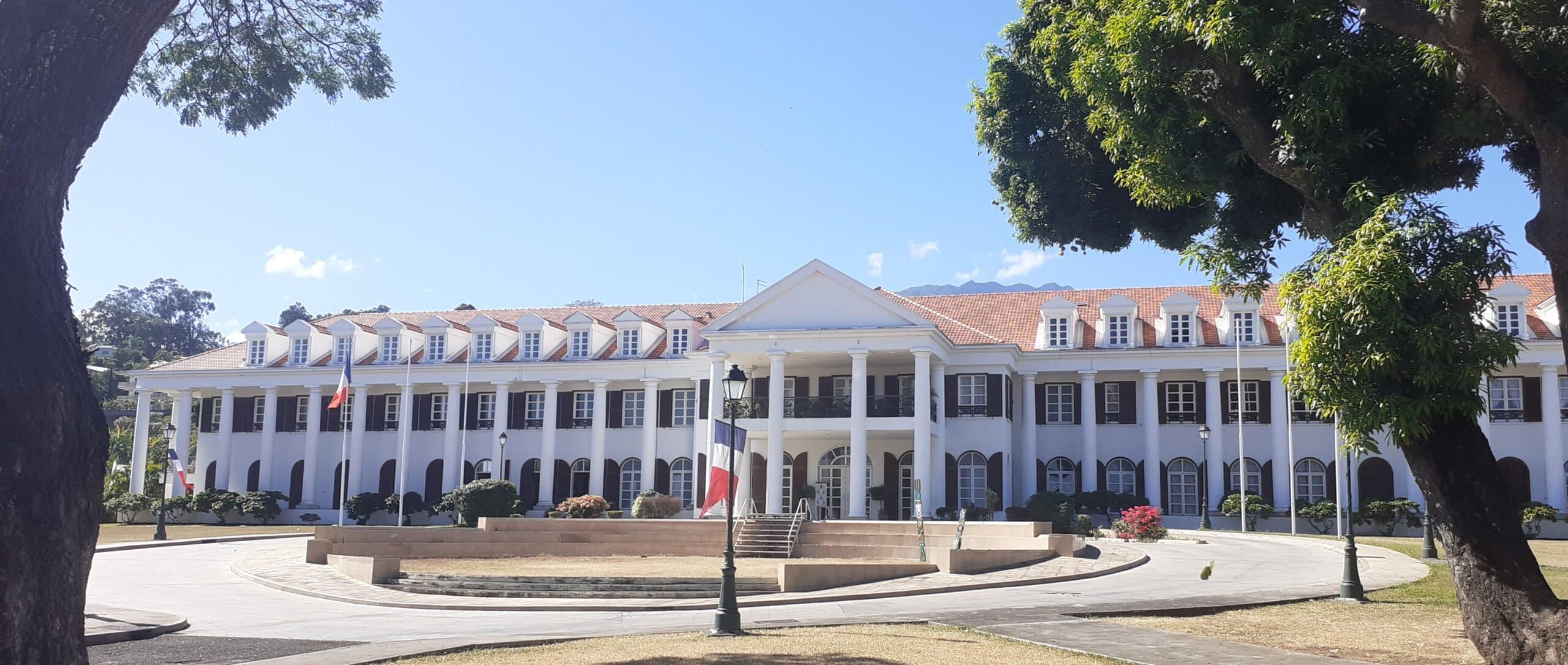
The biggest “house” we have seen in months.

Our first view of the island was a mass of cloud on the horizon but as the sun climbed the mountains began to appear and realization dawned – we had sailed from Scotland to Tahiti! Amazing!

We anchored off Venus Point where in 1769 James Cook anchored to observe a Venus transit. He was met by women in grass skirts, we were moved on by the police.

Next we moored in the middle of Papeete and enjoyed a week of city life. Consulate, shopping, dinner out, meeting loads of friends, drinks on other boats, pizza on Artemis, showering in the park and more shopping.

Artemis in the big city

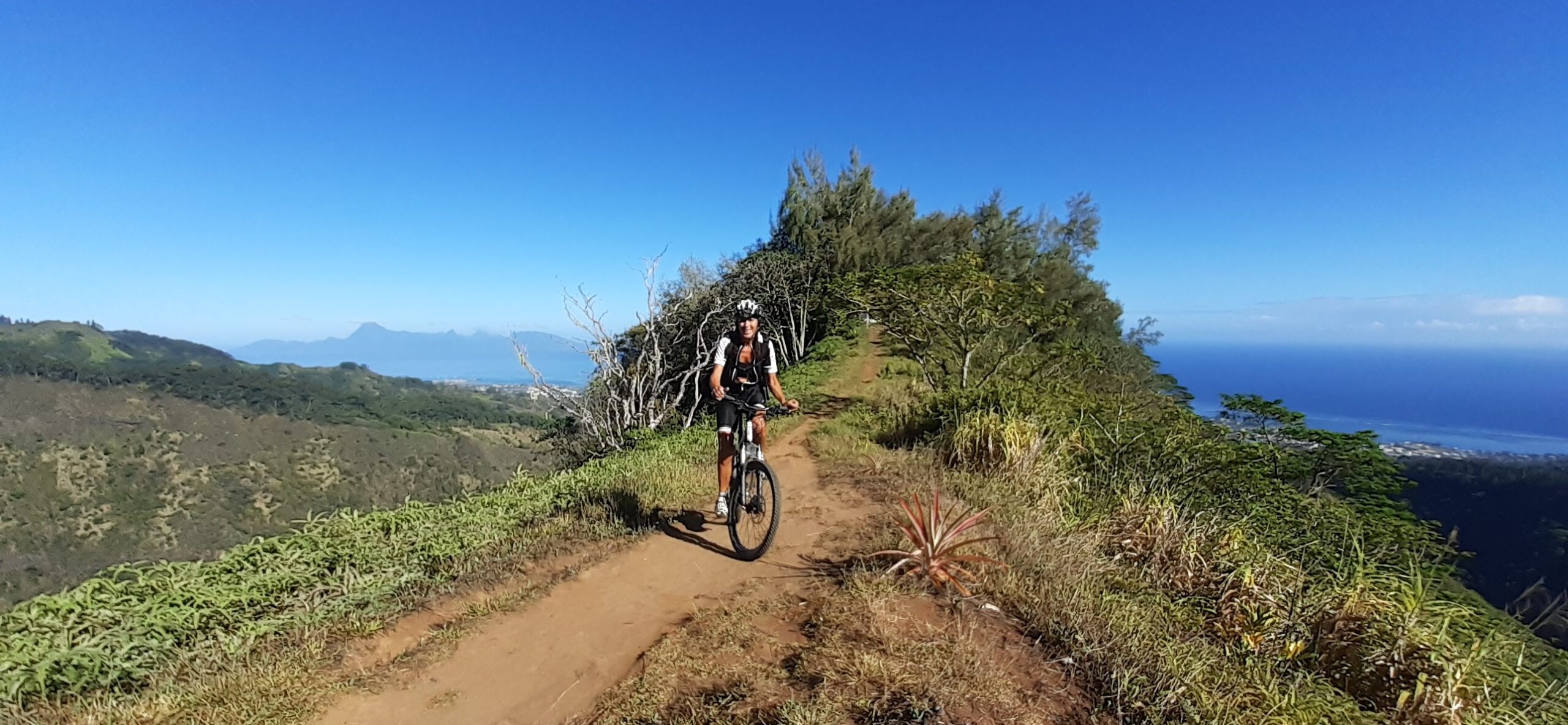
We also fitted in three bike rides up the mountains and along the valleys – the longest was 100km – so now we need to do some sailing to recover.

I am writing this as we are anchored alone just behind the reef off a small village. Locals were surfing in their canoes and headed home at sunset with cries of “Yo-Rana” (hello). Now it is dark and all we can here is the massive surf crashing on to the reef. It is wonderful to own a home that can be in the middle of the city in the morning and behind a coral reef in the evening

Tahiti – the MTB adventure

You don’t cycle on a tropical island expecting to be trapped by flash floods but …

We were on our bikes at first light and cycled the first fifty kilometers along the coast road. Twice, we had to hide from passing showers which should have served as a warning of what was to come. We found a cafe for a second breakfast, hid from the rain again and then turned left in to the jungle.

There is a reason Tahiti is covered in rain forest – because when it rains it really rains. We followed a narrow track through an incredibly deep, unbelievably steep, vegetation clad gorge. We met a few bamboo cutters but other than that we were totally alone, surrounded by every shade of green. The water fell from the sky, it ran down the hillsides, it washed across the track and soaked us but at least it was warm.

The track gradually rose in to the mountains and every bend offered a new view of forest and waterfalls. After passing a reservoir we reached the “stupidly steep” section and pushed up the volcanic rock until we reached a tunnel that took us in to the next valley. Here we met the first cars and one warned us that the road was flooded but maybe OK. We enjoyed the ride down to a mountain hotel with more stupendous views.

Normally this is a road

The hotel was closed because the road further down the valley was flooded and impassable. The owner gave us a warm lunch and coffee but refused payment as she was closed. The people here are so friendly. After the meal the lady informed us that a pickup had just arrived after crossing the flood and that it was now possible with a high 4×4 vehicle. We set off to take a look and found that the entire overspill of a reservoir was flooding and biking was out of the question. Luckily a local family ferried us over in their pickup and we were free to roll back down to the coast and then cycle the twenty kilometers home.

Along the coast road the sun was shining and locals were surfing the huge waves. Definitely a day of contrasts.

Our route is at Alltrails

Looking for Elin

We knew that the lone sailor Daniel and his boat Elin were probably anchored somewhere inside Kauehi Atoll so one evening we left Fakarava at last light and sailed overnight to reach the pass at Kauehi (Arikitamiro Pass) for the morning slack tide. The entire trip was hard on the wind and passing squalls had us turning loops and sailing zigzags. We were glad to enter the lagoon and ghost along on the remains of the dieing breeze.

Elin and Artemis in the wilderness

It was a challenge to find a tiny white hulled boat amongst the pure white beaches that fringe the lagoon but we guessed the right area and eventually found Elin alone in the south east corner and anchored nearby. Daniel soon joined us for a drink and dinner and didn’t seem unhappy that we had interrupted his hermit like existence in his uninhabited corner of the world. We refilled his water tank from our watermaker and Heidi fed him exotic Artemis menus. In return he provided us with coconuts, hours of interesting conversation and helped us turn our anchor chain round. A real win-win situation.

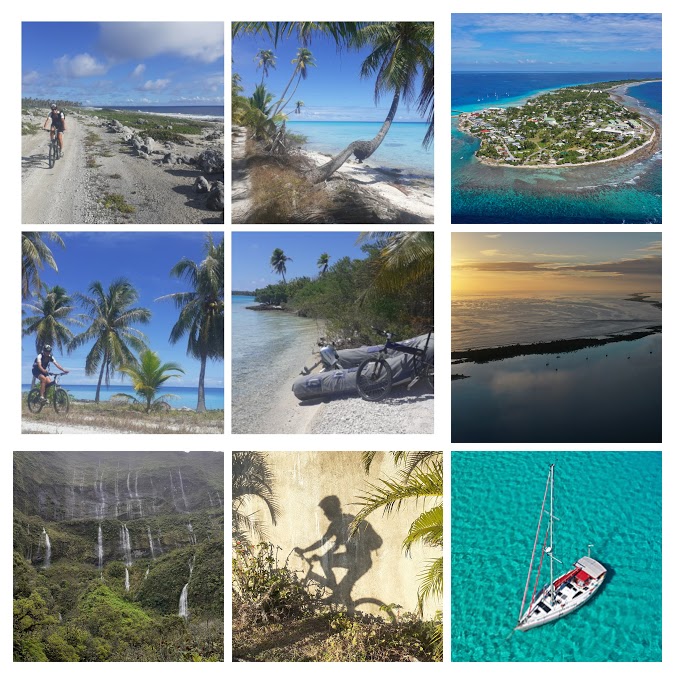
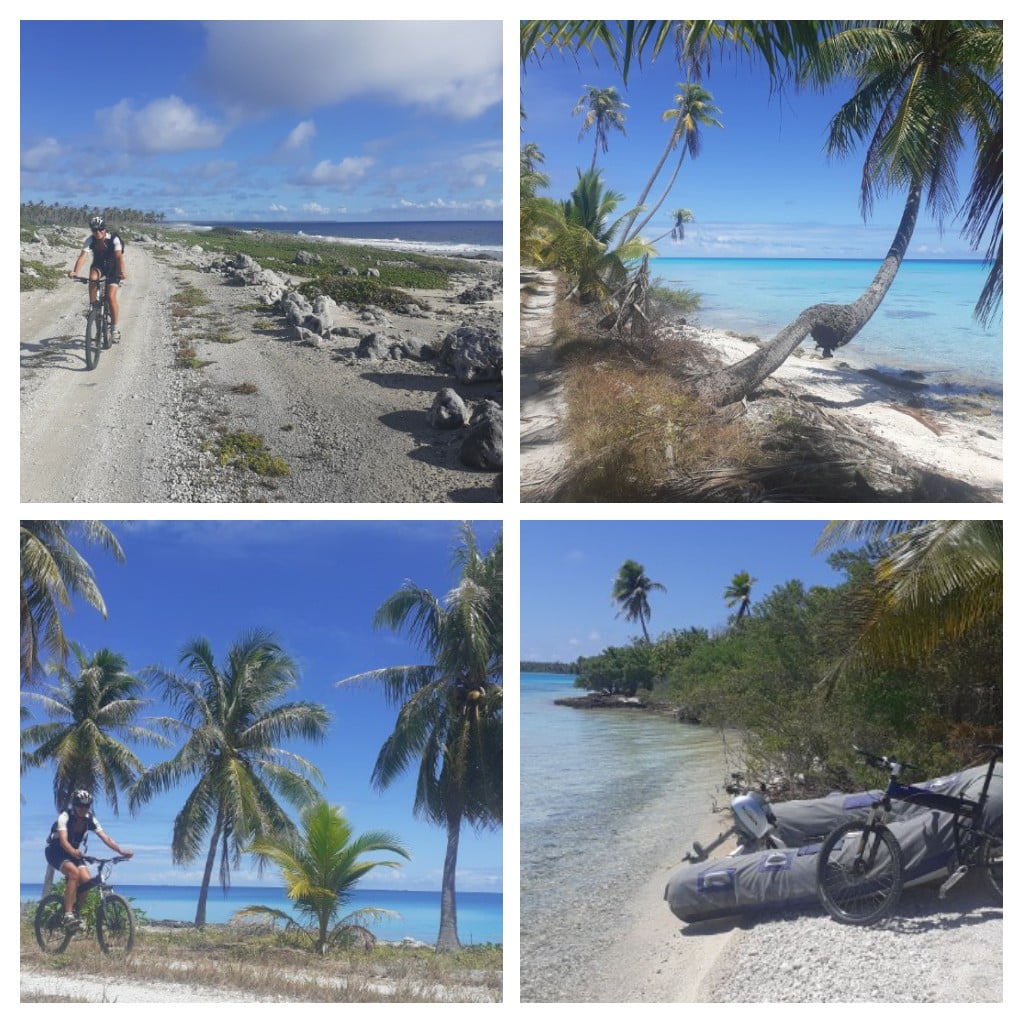
On the reef we found an off road trail that we guessed would eventually lead to the village of Tearavero so the next day we assembled our bikes and followed the track. It wound through the palm trees before crossing to the wild, ocean pummeled side of the reef and then back to the turquoise coloured lagoon. The ground was full of coconuts, palm fronds and scurrying crabs as well as coral outcrops and huge crab holes. We were happy to eventually reach the concrete roads in the “city”.

We stopped at the shop to buy carrots but couldn’t resist a beautiful, locally made pearl and mother of pearl necklace. Next we visited the town hall to register with the villages one policeman and look for a bit of Internet. We found a tiny bit but, as the policeman confirmed, it was a satellite connection and impossibly slow. A visit to the church and cycle out to the airport concluded the “tourist stuff” and then we headed back home.

We passed a very well kept garden and asked Edouard – the owner – if he had any vegetables to sell. He gave us a chinese cucumber and a papaya but insisted “no money”. His main cash crop are flowers, that he sells to be used in sun cream, and his small pearl farm – now we knew where the pearls in the necklace came from.

Back at the anchorage we converted the chinese cucumber in to a meal and invited Daniel over for another evening of sun down drinks, dinner and philosophy.

And today after five days “in the wilderness” we plan on taking the afternoon tide and heading back downwind with more great memories of amazing places and interesting people.

Our bike route is at Alltrails